Living Museum of Learning
Rhea's First Climb
At two years and four months old, Rhea visited a climbing gym for the very first time.
No one expected her to climb.
Her parents simply wanted her to watch.
Instead, she quietly fixed her eyes on the climbing wall.
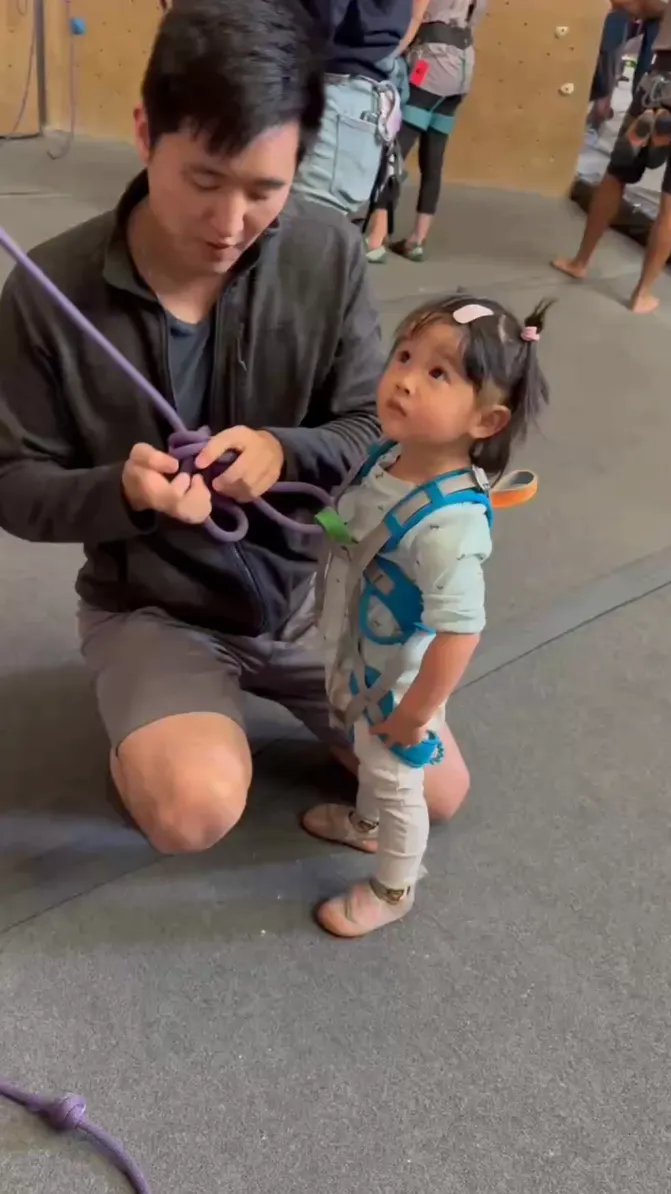
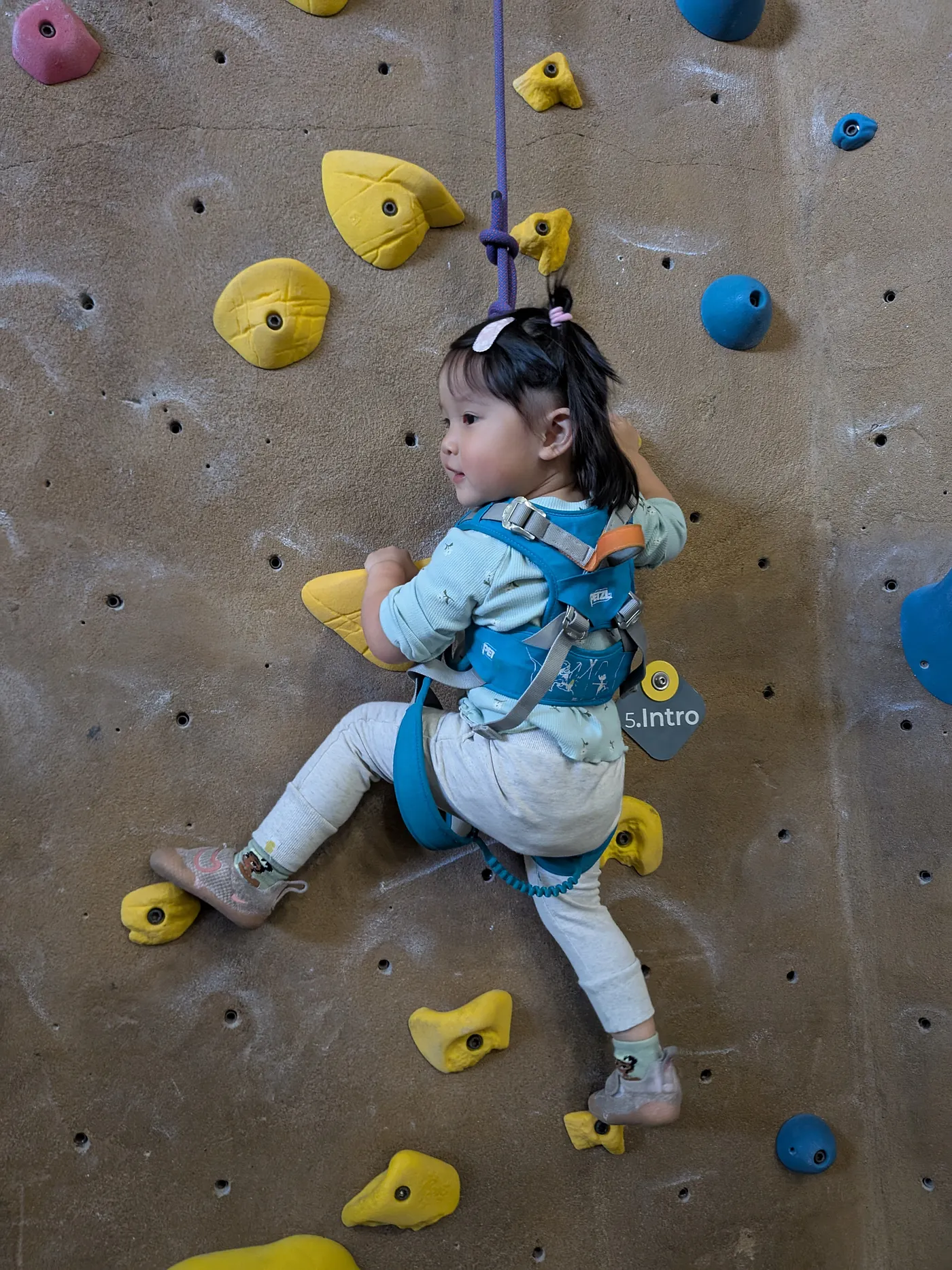
After putting on a tiny climbing harness, she walked toward the wall on her own.
There were no instructions.
No encouragement to "go higher."
Only curiosity pulling her forward.
As she climbed, Rhea called out the alphabet printed across the climbing route.
Each letter became both a destination and a celebration.
When she reached the letter R, the first letter of her own name, she proudly called it out.
Higher still, she reached W, near the top of the route.
Then she turned around.
She waved to her family.
The climb had become her own story.
After reaching her goal, Rhea simply announced,
"All done."
Her mother calmly replied,
"OK... let it go."
Without hesitation, Rhea released both hands from the wall and trusted the rope for the first time in her life.
No one had practiced this moment with her.
She trusted.
The rope held.
A new understanding entered her world:
Some things become possible only after we learn to trust.
Children do not become courageous because adults tell them to be brave.
Courage grows naturally when curiosity is protected, trust is earned, and exploration feels safe.
Long before formal lessons begin, children are already learning how to face uncertainty, make decisions, and believe in themselves.
Perhaps the most important role of adults is not to push children upward.
It is to create an environment where they want to climb.
Even a two-year-old can take on an extraordinary challenge when curiosity, trust, and freedom come together.
Instead of directing every step, adults provided safety, quiet support, and trust, allowing intrinsic motivation to lead the experience.
Many lifelong qualities—confidence, resilience, exploration, and independent learning—begin forming years before formal education. The environments we create in early childhood shape far more than individual skills.