Living Museum of Learning
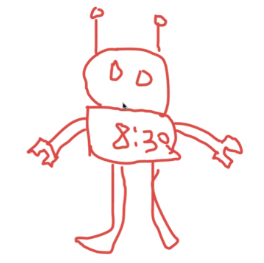
There Is No Standard Clock
The project for the 2021 design competition was announced:
Build a clock.
The goal was simple.
By the deadline, students would vote for their favorite creations.
There was no standard solution.
Only one question mattered:
What kind of clock would you make?
Ethan, a Grade 5 student, first imagined a traditional analog clock.
He sketched a large circle with thick hour and minute hands.
But very quickly he encountered a difficulty.
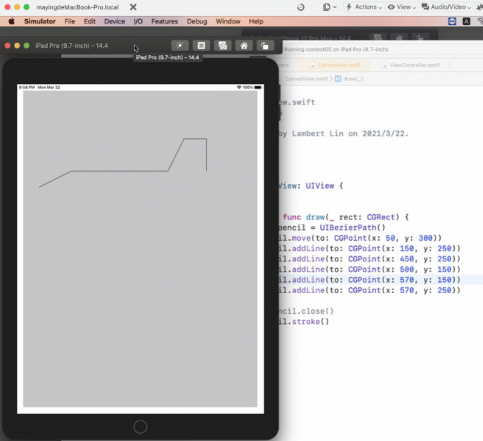
Without trigonometry, positioning rotating hands accurately became challenging.
The project appeared to stop.
Then something interesting happened.
Instead of giving up, Ethan changed the question.
"What if I make a digital clock instead?"
And then:
"Maybe I can put it inside a robot."
Soon the robot gained legs.
Then came a chef's hat.
Then an apron.
Then kitchen tools and fruit.
The clock was no longer just a clock.
It had become a character.
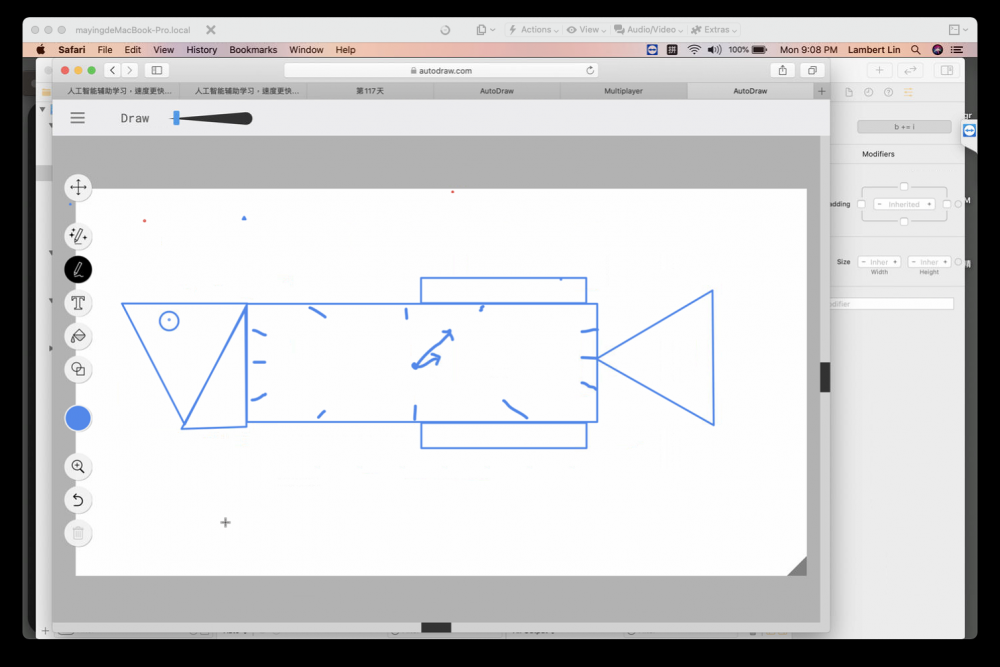
Meanwhile, another student, Lambert, imagined a fish clock.
Moments later, he wanted an airplane clock.
Anything connected to water or airplanes naturally attracted him.
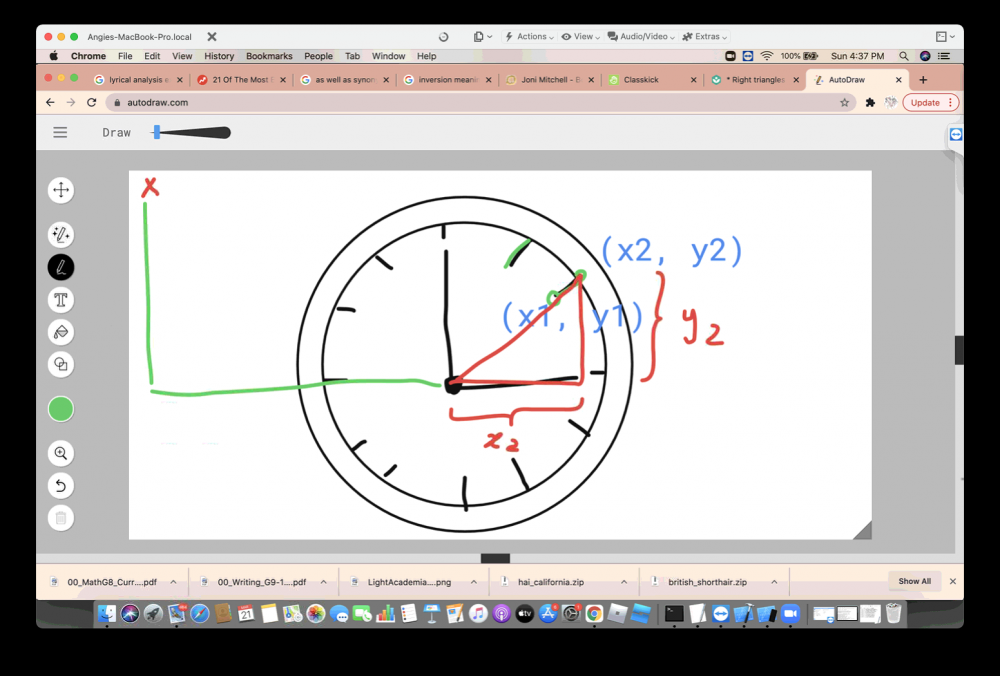
At the same time, Angie, an eighth grader, chose a circular clock.
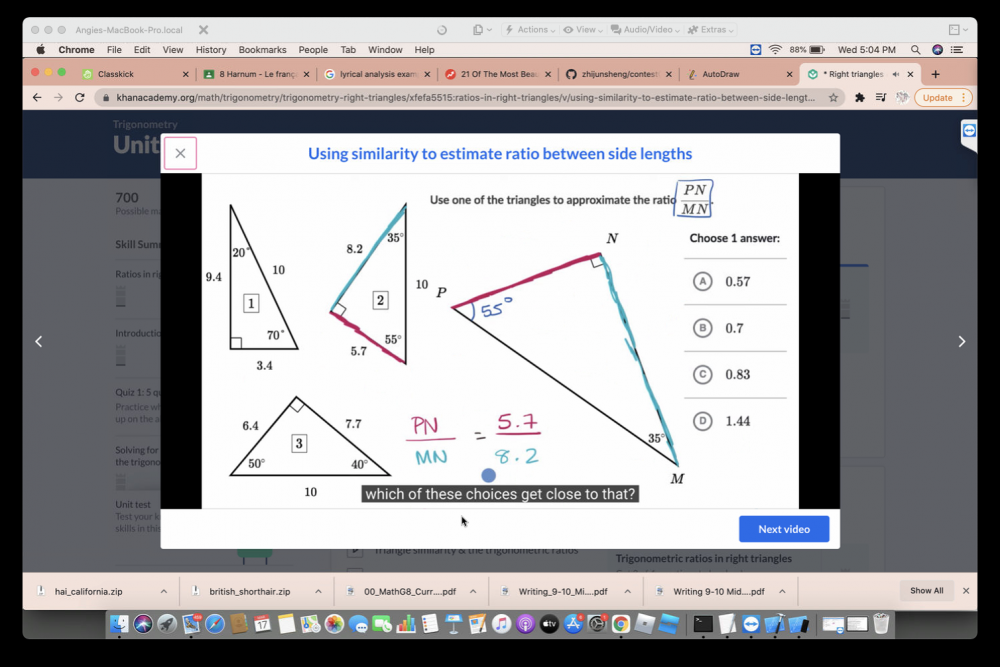
To build it, she began studying the trigonometry she needed through Khan Academy.
Three students.
One assignment.
Three completely different directions:
design,
personal interests,
mathematics.
Good projects do not force students toward identical answers.
They reveal differences.
The assignment was:
Build a clock.
But the real questions became:
What interests you?
What knowledge do you need?
What are you willing to learn?
For Ethan, the answer was imagination.
For Lambert, the answer was passion.
For Angie, the answer was mathematics.
The competition was never really about clocks.
It was about giving students enough freedom for their own ideas to emerge.