Living Museum of Learning
Grace and the Long Arc
Grace entered one-on-one lessons during fifth and sixth grade.
She explored mathematics, programming, geometry, and art.
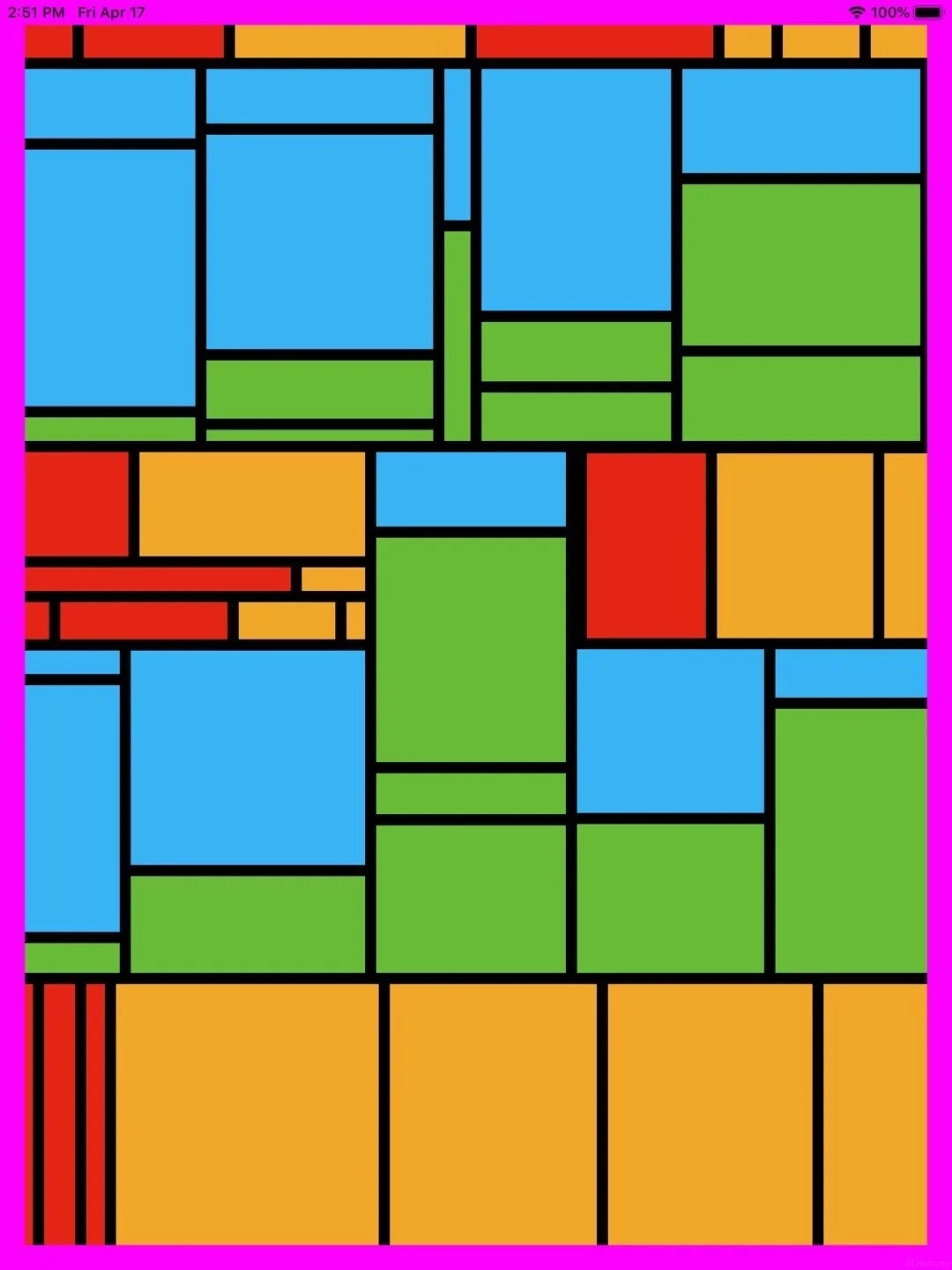
She wrote recursive programs inspired by Mondrian paintings.
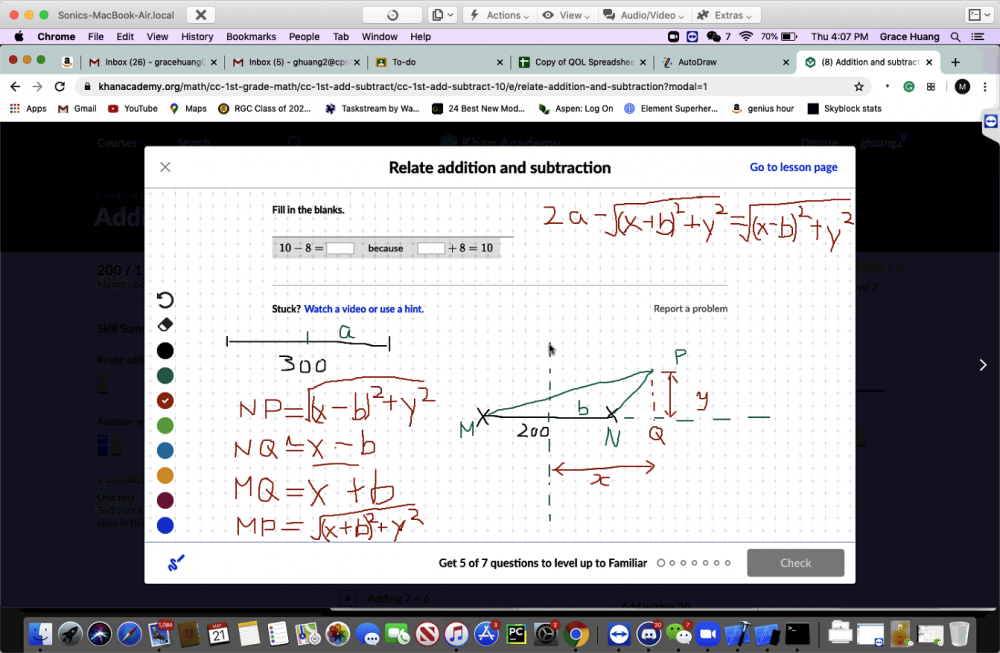
She constructed ellipses with ruler and compass, translated equations into code, and solved expressions that seemed far beyond her grade level.
Later, she became the first student in the group to earn multiple HackerRank C++ stars.
At every stage, she worked carefully, independently, and with unusual attention to detail.
Years later, a message arrived at 1:55 a.m.
Grace's mother wrote:
Grace finally chose Duke.
I remain very grateful for those years of one-on-one lessons.
After her father returned to China, your classes became an important online companionship.
The message revealed something larger than academic achievement.
The lessons had become part of the structure of her growing up.
Across several years, different abilities appeared:
recursive thinking through art
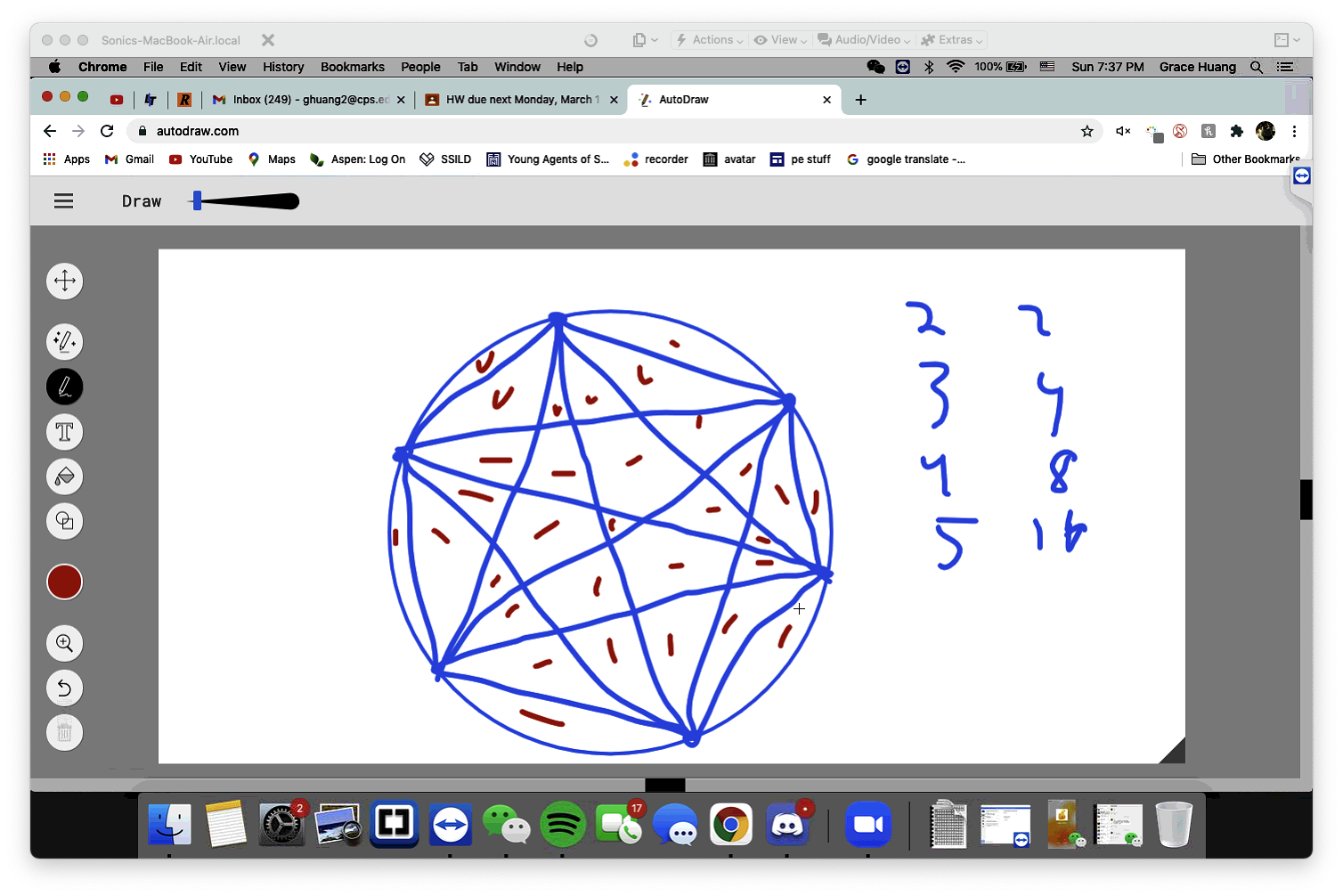
mathematical persistence through equations
computational thinking through programming
independence through self-directed learning
confidence through difficult challenges
None of these moments alone predicted the future.
Together, they formed a long arc.
Important learning is often difficult to measure while it is happening.
A recursive painting, an ellipse equation, a programming challenge, or a careful solution may appear small at the time.
Years later, those experiences become connected.
The exhibit suggests that teaching is not always about immediate outcomes. Sometimes it is about providing continuity, companionship, and intellectual trust during important years of growth.