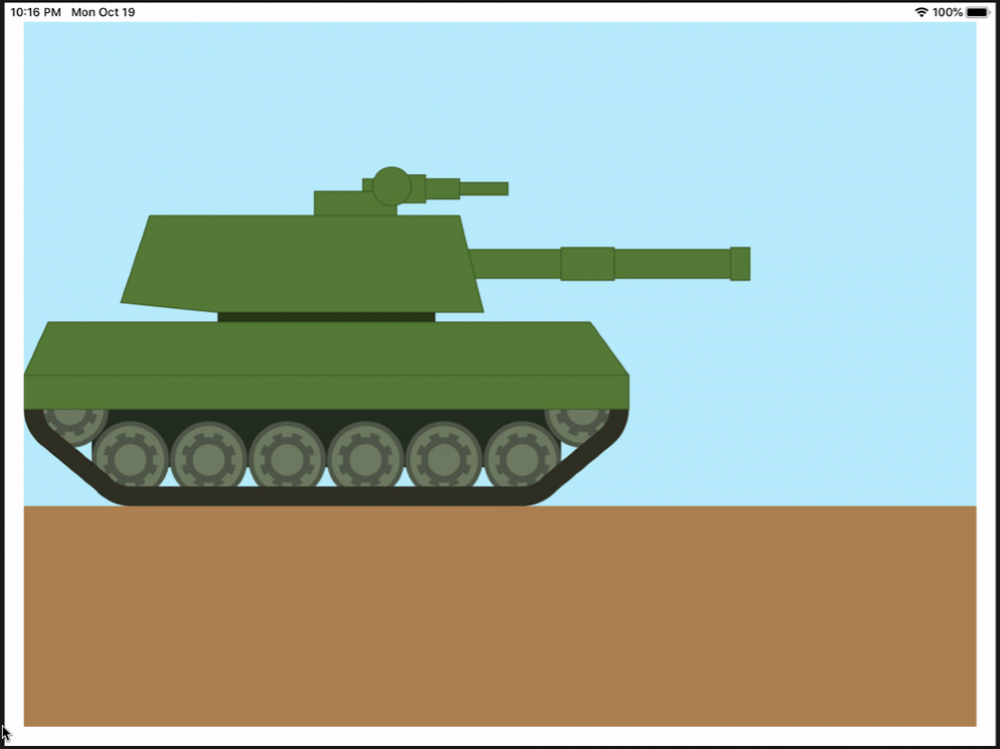
The Tank Battalion
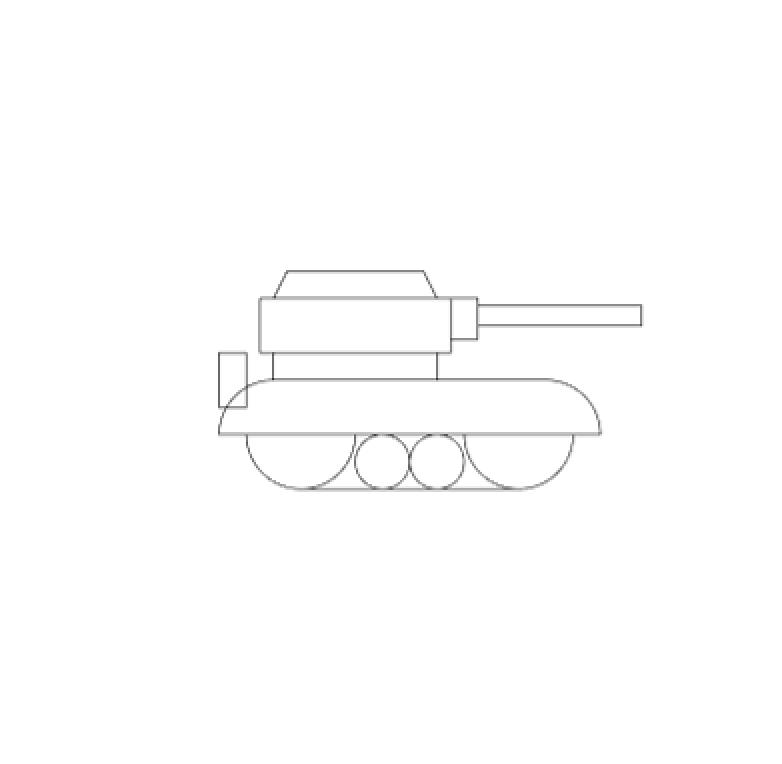
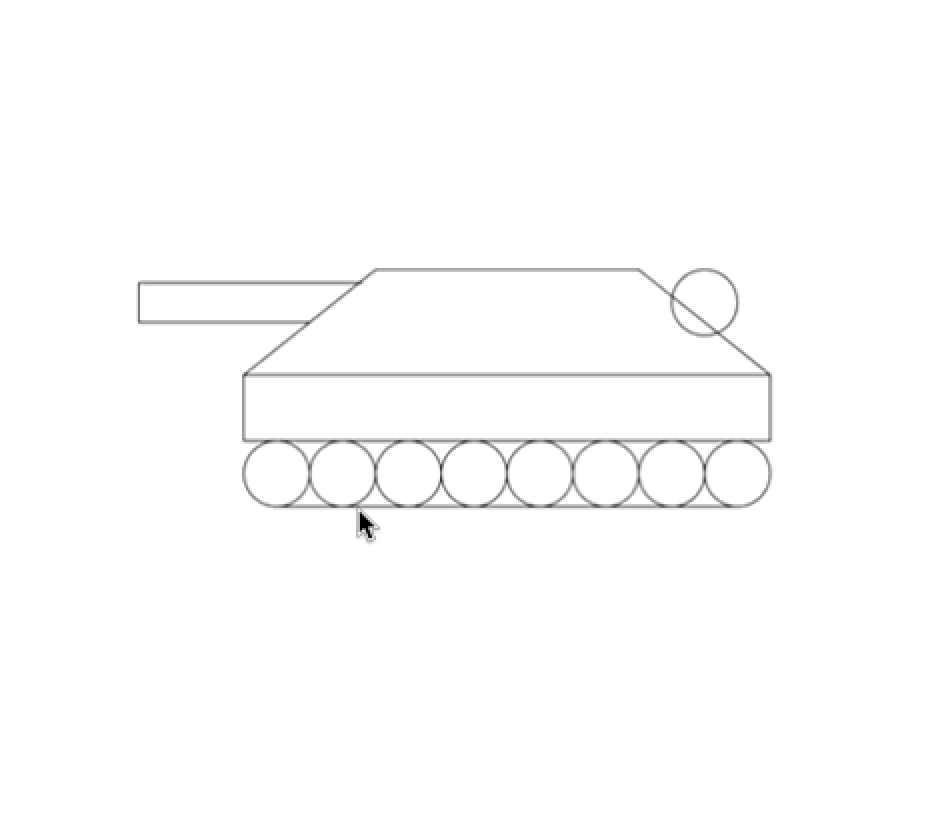
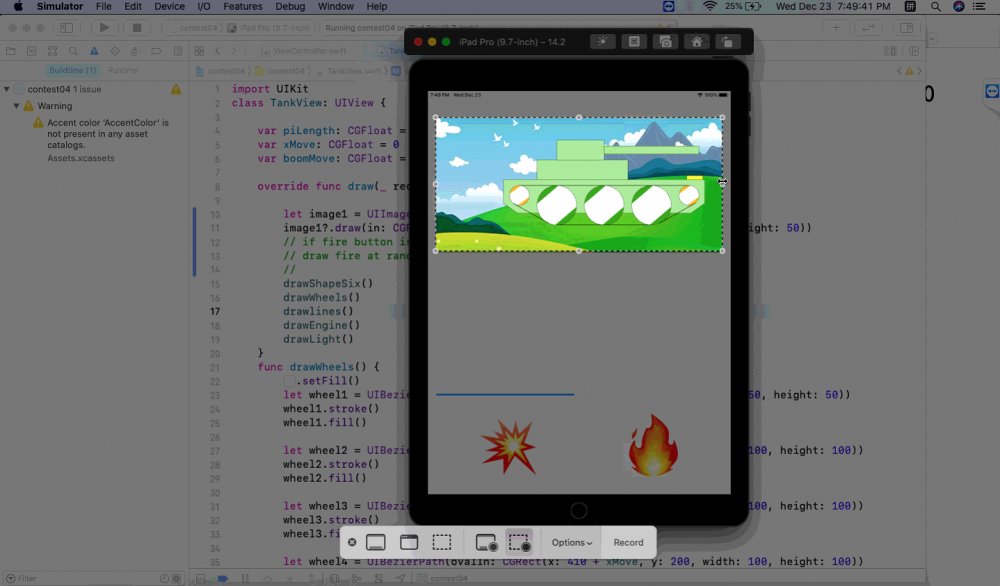
Many people assume children use computers mainly for games. Our students were asked to do something entirely different: design and program their own tanks. Their goal was not merely to draw a vehicle, but eventually to simulate a moving tank, including rotating tracks, wheels, and realistic motion. Children naturally chose the role of builders and designers.
As more tanks appeared, the project gradually transformed from an individual assignment into a shared engineering challenge. By late December, thirteen tanks had been completed. Students began studying one another's designs, discussing ideas, and preparing for a class vote. The project was no longer about finishing a model. It became a community of young engineers.
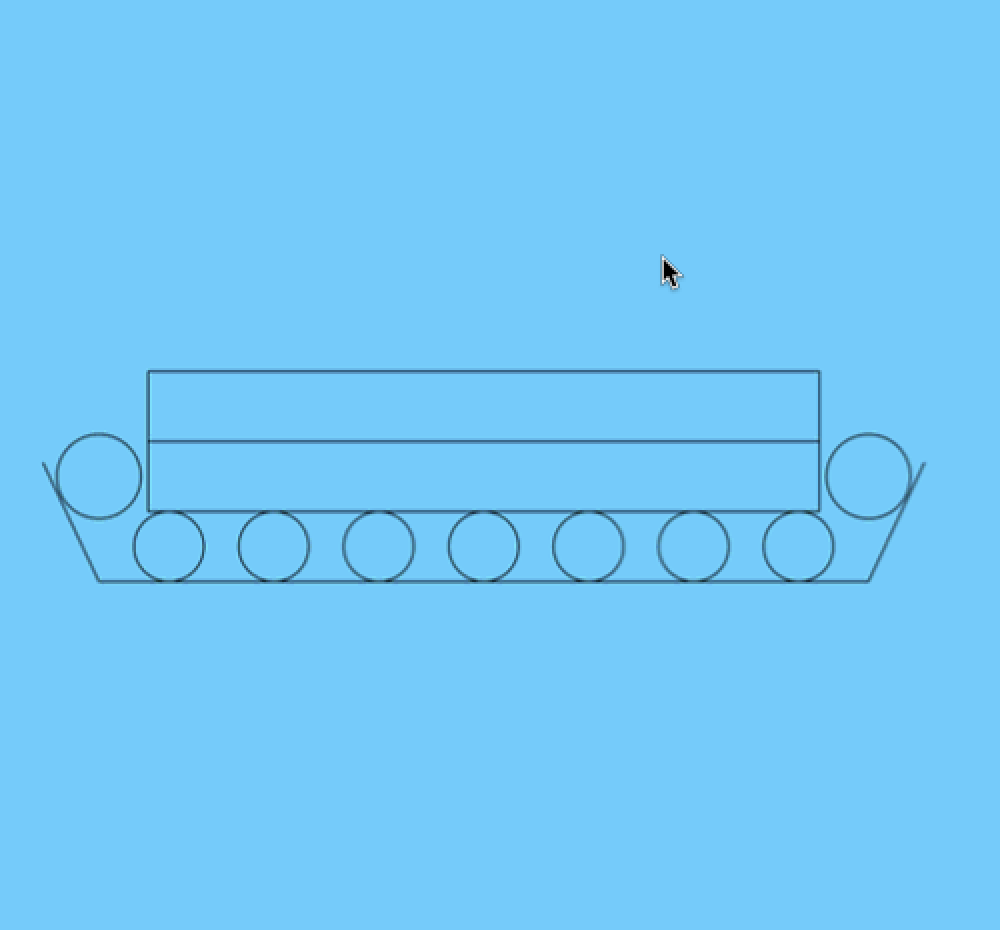
The final vote produced an unexpected result. Peter's tank won again, largely because of his sloped track design. Yet one of the most memorable moments came elsewhere: the two students who attempted the most difficult designs both voted for each other. The children recognized engineering effort, originality, and difficulty. Respect emerged naturally.
Children often prefer to create rather than consume.
Programming became:
mechanical engineering industrial design simulation artistic expression peer review appreciation of craftsmanship
The project showed that computers can become tools for building worlds rather than simply playing inside worlds.